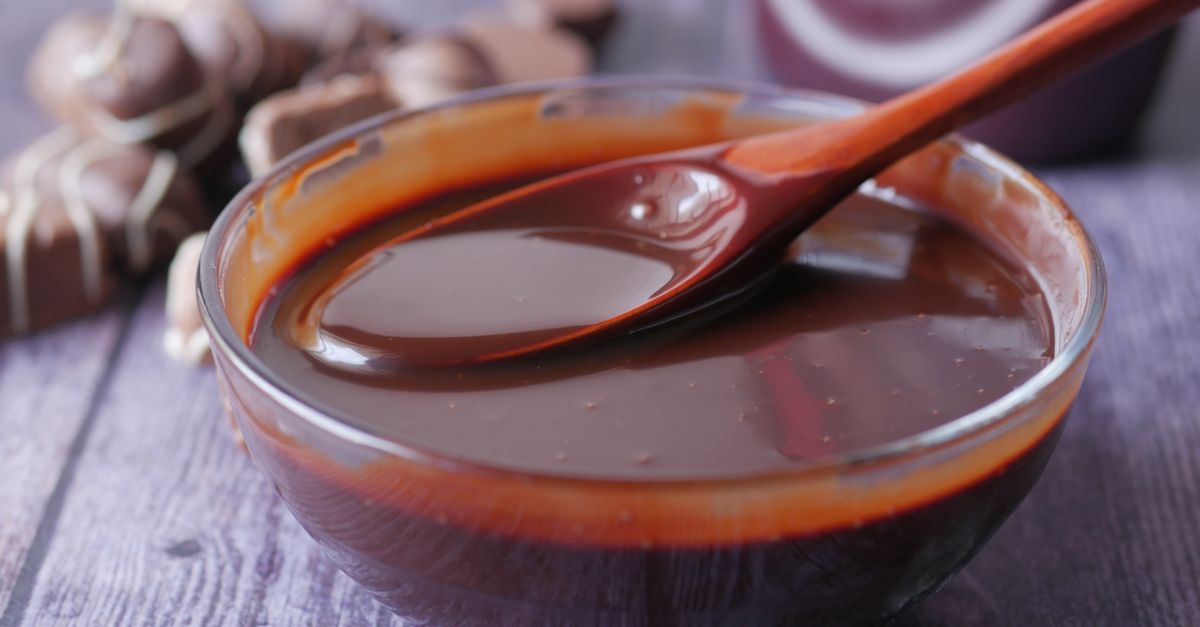
Why Your Homemade Sauces Are Greasy, Not Velvety (And The Pro Secrets for Silky Perfection Every Time)
Are you tired of your homemade sauces splitting, leaving a slick of oil on top, or feeling more greasy than luxurious? You spend time simmering, whisking, and reducing, only to end up with something that just doesn’t quite hit that restaurant-quality mark. I’ve been there. For years, my pan sauces were either too thin, too thick, or had an unappetizing layer of fat separating from the liquid. It felt like a culinary lottery, and more often than not, I lost.
But here’s the truth I learned: achieving a smooth, velvety sauce isn’t about magic or an expensive whisk. It’s about understanding the core principles of emulsion and fat management. Most home cooks, myself included for a long time, make a few critical, often overlooked mistakes that lead to these greasy disasters. What changed everything for me was not just learning what to do, but why those actions produced the desired result. Once you grasp these fundamental concepts, you’ll stop guessing and start creating consistently beautiful sauces – be it a rich hollandaise, a vibrant vinaigrette, or a deeply flavorful pan sauce. No more culinary disappointments; just silky, emulsified perfection.
Key Takeaways
- Embrace gradual addition of fats, especially when cold, to promote stable emulsions in sauces.
- Control temperature precisely, avoiding rapid heating or boiling, which can destabilize delicate sauces.
- Integrate emulsifiers like egg yolks or mustard to bind fats and liquids more effectively.
- Always finish pan sauces off the heat to prevent residual heat from splitting your hard work.
Over-Reliance on High Heat for Reduction (The Scorch & Split Trap)
One of the biggest culprits behind greasy, broken sauces is the misapplication of heat during reduction. In my early days, I believed that the faster a sauce reduced, the better. I’d crank the heat to high, hoping to thicken my pan sauce in minutes. The result? More often than not, a glossy, unappetizing layer of fat would separate from the liquid, or the sauce would seize up into a clumpy mess.
The mistake here is twofold. Firstly, excessively high heat can literally break an emulsion. Delicate fat and liquid particles, which you’ve painstakingly coaxed into mixing, are violently agitated. The water evaporates too quickly, leaving the fat behind to coalesce and separate. Think of it like shaking a salad dressing too vigorously for too long – eventually, it starts to look less uniform.
Secondly, rapid reduction often leads to uneven cooking and scorching. The sugars and proteins in your sauce concentrate too fast on the bottom of the pan, burning and imparting a bitter, off-flavor, while the fats rise to the top. It’s a vicious cycle that almost guarantees a greasy, unappetizing finish.
What Actually Works: My breakthrough came when I learned to treat reduction like a slow dance, not a sprint. The secret is medium-low to medium heat, with gentle, consistent simmering. This allows the water to evaporate gradually, giving the fats and other solids ample time to remain suspended and integrated. For a pan sauce, after deglazing, I’ll bring it to a gentle simmer, just enough to see small bubbles breaking the surface, and stir occasionally. This controlled environment ensures even concentration of flavors and prevents the emulsion from breaking. If it’s a dairy-based sauce, even lower heat is crucial to prevent scorching and curdling, which can also lead to a greasy texture as the fat separates from the cooked milk solids. You’re not trying to boil the life out of your sauce; you’re gently coaxing its essence to concentrate.
Adding Fat Too Quickly or While Too Hot (The Emulsion Killer)
Many classic sauces, from hollandaise to béchamel, rely on an emulsion – the delicate suspension of fat in liquid. Where most home cooks, myself included, falter is in the method and timing of adding fat. I used to think a quick dollop of butter at the end would magically make my pan sauce rich. Instead, it often sat on top like a greasy raft, refusing to incorporate.
The fundamental issue is that fat and water don’t want to mix. For them to emulsify, the fat needs to be broken down into incredibly tiny droplets and dispersed evenly throughout the liquid. This process requires energy (whisking) and patience, especially when adding cold fat to a warm liquid, or simply introducing a large amount of fat at once.
What Actually Works: The key is gradual addition and constant agitation, often with the fat starting cold or at room temperature, and introduced into a warm (but not boiling) base. For a classic butter-enriched pan sauce, I now turn off the heat, or move the pan away from direct heat, before adding cold pats of butter. The residual heat from the sauce slowly melts the butter as I vigorously whisk. Adding it cold and off-heat allows the butter to melt slowly and emulsify into the sauce, rather than just melting into a separate oil layer. This is called monter au beurre in French cuisine – literally “to mount with butter” – and it’s a game-changer. The cold butter helps to thicken the sauce and creates a far more stable emulsion, preventing that greasy separation.
For vinaigrettes, the same principle applies: a slow, steady stream of oil into the acid base (vinegar, lemon juice) while whisking constantly. And for something like mayonnaise or hollandaise, the importance of a slow, controlled fat addition cannot be overstated. A single tablespoon too quickly, or a moment of lapsed whisking, and you’re back to a broken, greasy mess. Trust me, I’ve had more broken hollandaise than I care to admit before I mastered this.
Skipping or Misusing Emulsifiers (The Missing Link)
Many sauces naturally benefit from a little help in binding fat and liquid, but most home cooks (and I was definitely one of them) either don’t know what emulsifiers are or how to properly deploy them. For years, I struggled with vinaigrettes that separated five minutes after I stopped whisking, leaving a pool of oil at the top. I thought it was just the nature of salad dressing.
The truth is, emulsifiers are the molecular glue that hold fat and liquid together. They have one end that’s attracted to fat and another that’s attracted to water, allowing them to bridge the gap and stabilize the emulsion. Without them, or with insufficient ones, your sauce is inherently unstable and prone to becoming greasy or broken.
What Actually Works: Incorporating natural emulsifiers, or ensuring existing ones are activated, is crucial. For vinaigrettes, mustard (especially Dijon) is a miracle worker. Just a teaspoon or two per cup of dressing provides lecithin, a powerful emulsifier that keeps the oil and vinegar in a stable union. I add it to the vinegar and seasonings before I start slowly drizzling in the oil, ensuring it’s well dispersed.
For creamy sauces, egg yolks are the classic choice, rich in lecithin. Think hollandaise, béarnaise, or even some custards. The key here is tempering the yolks properly to prevent them from scrambling while still activating their emulsifying power. This means gradually whisking a small amount of hot liquid into the yolks before adding the yolk mixture back into the main pot, off the direct heat. This prevents shocking the yolks and ensures they blend smoothly into the sauce, enriching it without making it greasy.
Even in pan sauces, incorporating finely minced aromatics (like shallots or garlic) can offer some slight emulsifying properties due to their natural starches and mucilage, though this is less potent than dedicated emulsifiers. The goal is always to aid that fat-liquid marriage, making your sauce consistently velvety and never greasy.
The “Too Much Fat” Fallacy (More Isn’t Always Better)
There’s a common misconception that to achieve a rich, luxurious sauce, you need to add an exorbitant amount of fat. I certainly believed this for a long time. My thought process was simple: butter equals richness, so more butter equals more richness. This often led to sauces that were not just greasy, but heavy, cloying, and frankly, unappetizing. The balance was completely off.
The problem with excessive fat is that beyond a certain point, the liquid simply cannot emulsify or suspend any more fat. You reach a saturation point, and any additional fat just floats to the top, forming that tell-tale greasy slick. It also dulls the other flavors in the sauce, making it taste one-dimensional and heavy, rather than bright and complex.
What Actually Works: The secret to truly luxurious sauces is not just about how much fat, but what kind and how it’s integrated. It’s about balance and perceived richness, not sheer quantity. Here’s how I approach it now:
- Start Lean: When building a pan sauce, for example, I’ll brown my protein, then drain off most of the excess fat before deglazing. This ensures I’m starting with a flavorful base, not a greasy pool. If I need fat for sautéing aromatics, I use just enough. I want the fond (the browned bits) for flavor, not a swimming pool of oil.
- Controlled Enrichment: Instead of a giant knob of butter, I add butter in small, cold pats (as discussed earlier), off the heat, whisking constantly. This allows me to control the richness and stop when the sauce reaches that perfect velvety consistency. Often, it takes less butter than I initially thought. A tablespoon or two at the very end can transform a sauce without making it greasy.
- Focus on Other Components: True richness also comes from other elements: a well-reduced stock, caramelized aromatics, a touch of cream (if appropriate), or even the natural gelatin from bones in a demiglace. These provide body and depth without relying solely on fat. A good stock, reduced properly, will have a natural richness and gloss that no amount of added butter can replicate if the base isn’t there.
By focusing on perceived richness through proper emulsification and well-developed foundational flavors, you can achieve a sauce that feels indulgent and velvety, without being heavy or greasy. It’s about working smarter, not just adding more.
Forgetting to Finish Off the Heat (The Residual Heat Trap)
This is a subtle but crucial mistake I made countless times, especially with delicate sauces like hollandaise, béarnaise, or even a simple cream sauce. I would get the sauce to what looked like perfect consistency, remove it from the burner, and then walk away to plate the dish. By the time I returned, a thin, greasy film would have developed on top, or the sauce would have noticeably split.
The culprit here is residual heat. Even after you pull a pan off the burner, especially if it’s a heavy-bottomed pan, it retains a significant amount of heat. For delicate emulsions, this continued heat can be enough to destabilize them. The fat particles continue to warm, expand, and separate from the liquid, especially if the emulsifying agents are already at their limit. For dairy-based sauces, residual heat can also cause the proteins to curdle, leading to a grainy, greasy texture.
What Actually Works: The solution is simple but requires conscious effort: always finish delicate sauces off the heat and consider a rapid cool-down if not serving immediately.
For a pan sauce, once I’ve added my cold butter pats and whisked them in to create that velvety finish, I serve it immediately. If there’s any delay, I might even place the pan over a very gentle bain-marie (a bowl set over simmering water) to keep it warm without direct heat. But even then, only for a few minutes. If I need to hold it for longer, a quick whisk before serving usually brings it back.
For something like hollandaise, this is even more critical. Once the emulsion is formed and the sauce reaches its desired thickness, I immediately remove it from the heat source and serve it. If I’m preparing it ahead for a brunch, I’ll transfer it to a pre-warmed thermos or a bowl set over very warm, not simmering, water, and give it a whisk every few minutes. The goal is to keep it warm enough to be liquid, but cool enough that the emulsion remains stable. Ignoring residual heat is a fast track to a greasy disappointment, but a little foresight can save your sauce every time.
Frequently Asked Questions
Q: What’s the fastest way to fix a greasy, broken sauce?
A: If your sauce has just started to look greasy or has separated, try whisking in a small amount of cold liquid (water, broth, or wine) one teaspoon at a time while whisking vigorously. This can sometimes shock the emulsion back together. For a truly broken sauce, you might need to start over with a fresh emulsifying agent (like a new egg yolk) and slowly whisk the broken sauce into it.
Q: Can I prevent my sauce from becoming greasy if I’m using a lot of butter?
A: Yes, the key is the technique of adding cold butter off the heat, known as monter au beurre. Cut cold butter into small cubes and whisk them into your warm sauce off the direct heat, one or two at a time. The cold butter helps to create a stable emulsion and adds richness without making the sauce greasy.
Q: Why do my vinaigrettes always separate, making them greasy on top?
A: Vinaigrettes separate because oil and vinegar naturally repel each other. To prevent this, add an emulsifier like Dijon mustard or a small amount of honey (which also has some emulsifying properties) to your vinegar and seasonings before slowly drizzling in the oil while whisking constantly. The emulsifier helps stabilize the mixture.
Q: Does reducing sauce at too high a heat always make it greasy?
A: High heat reduction can make a sauce greasy by causing water to evaporate too quickly, leaving fat behind to separate. It can also break existing emulsions. It’s best to reduce sauces at a gentle simmer over medium-low to medium heat, stirring occasionally, to allow for gradual thickening and stable emulsification.
Q: How important is pan choice for preventing greasy sauces?
A: A heavy-bottomed pan is crucial. It distributes heat more evenly, reducing hot spots that can scorch your sauce and break emulsions. Thin-bottomed pans are much more prone to uneven heating, which makes delicate sauces harder to manage and more likely to become greasy or split.
Achieving a consistently velvety, non-greasy sauce might seem like a chef’s secret, but it’s truly a matter of understanding and respecting the delicate balance of fats and liquids. By mastering the art of gradual fat addition, precise temperature control, leveraging natural emulsifiers, and paying attention to residual heat, you’ll transform your sauces from greasy mishaps to culinary triumphs. Start by applying just one of these techniques to your next sauce – I promise, the difference will be astounding.
Written by David Miller
Productivity & Lifestyle Design
An experienced lifestyle columnist who crafts accessible advice for improving daily routines and personal spaces.
You Might Also Like

Why Your Home Still Feels Stale (Even After Cleaning) — And What Actually Works for Real Freshness
Discover why your home still smells stale after cleaning and learn practical, non-obvious strategies for true, lasting freshness.
Why Your Homemade Cookies Are Flat, Not Puffy (And The Simple Shifts That Guarantee Perfect, Puffy Results Every Time)
Ever wonder why your homemade cookies spread too thin? Discover the overlooked factors and simple shifts for achieving perfectly puffy, soft cookies.
Why Most Budget Camping Coolers Fail (And What Actually Keeps Things Cold for Days)
Stop wasting money on flimsy coolers. Learn the truth about why budget models disappoint and discover what truly keeps your food and drinks cold for days.