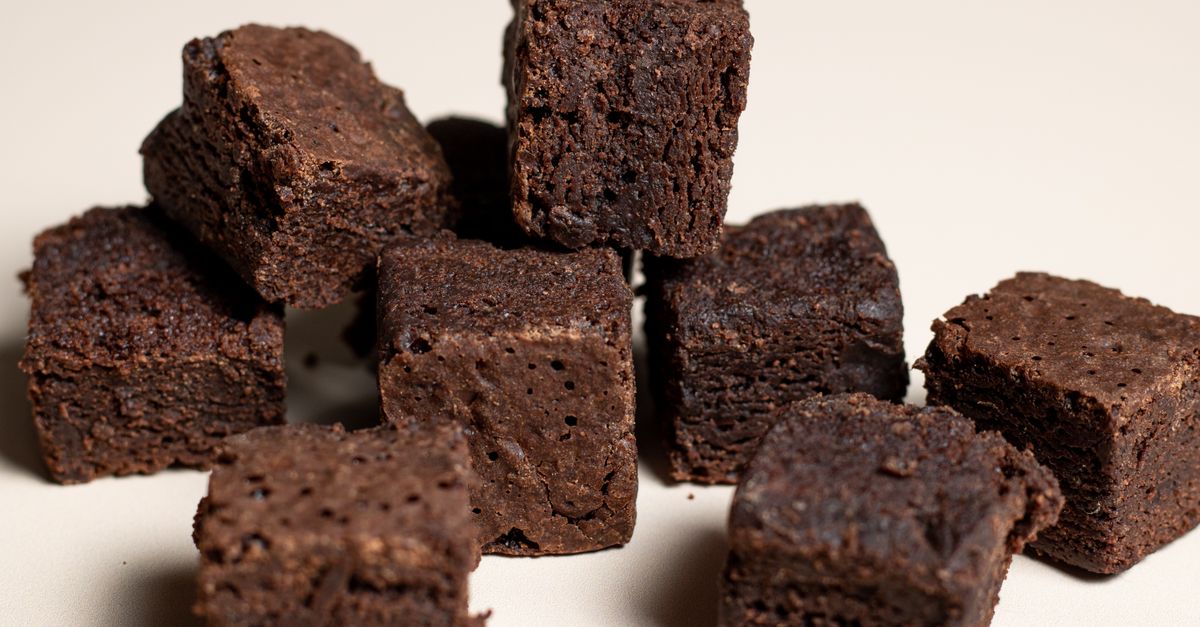
Why Your Homemade Brownies Are Dry (And The Simple Shifts That Guarantee Fudgy Perfection Every Time)
There’s a silent heartbreak that happens in kitchens worldwide: the moment you bite into a homemade brownie, expecting a rich, gooey center, only to be met with something dry, crumbly, and decidedly cake-like. You followed the recipe, used good chocolate, maybe even added a fancy vanilla. Yet, the fudgy dream remains elusive.
I’ve been there more times than I care to admit. For years, my brownies were a coin toss—sometimes decent, often disappointing. I tried different cocoa powders, adjusted baking times, even experimented with obscure chocolate percentages. Nothing consistently delivered that dense, intensely chocolatey, almost molten interior I craved. The mistake I see most often is that most home bakers approach brownies like a cake, using similar ratios and techniques. But brownies are their own beast, a delicate balance where subtle shifts create dramatic differences.
What changed everything for me was understanding the underlying science of fudginess versus cakeyness. It’s not just about adding more butter, as many believe. It’s about the precise ratio of fat to flour, the type of sugar, the leavening—or lack thereof—and a critical, often overlooked, step in the mixing process. Once I grasped these principles, my brownie game was revolutionized. Now, every batch emerges from the oven with that signature crinkly top and a decadent, fudgy chew that melts in your mouth. You’re about to discover how to achieve that consistent perfection in your own kitchen.
Key Takeaways
- Prioritize fat over flour and minimal leavening to prevent cakey texture.
- Use a combination of white and brown sugar for a perfect balance of crisp crust and moist interior.
- Thoroughly whisk hot butter and sugar to dissolve sugar crystals for a shiny, crinkly top.
- Avoid overbaking at all costs; pull brownies when edges are set but the center is still wobbly.
The Flour-to-Fat Ratio: Less is More for Fudgy Density
The most common culprit behind a dry, cakey brownie is too much flour. Think about it: flour develops gluten, which provides structure, similar to how it works in a cake. For a brownie, we want minimal structure, allowing it to be dense and fudgy rather than airy and springy. Many recipes use a 1:1 ratio of flour to fat (or even more flour), which is fine for a cake, but a death knell for fudginess.
In my experience, the sweet spot for maximum fudginess is a lower flour-to-fat ratio, typically leaning towards more fat than flour. This doesn’t mean just dumping in extra butter. It means rethinking the flour quantity itself. For a standard 8x8 inch pan, I rarely exceed ¾ cup of all-purpose flour, even with generous amounts of butter and melted chocolate. This significantly reduces gluten development, allowing the fat and sugar to dominate the texture.
Another critical component is leavening. Cakes use baking powder or baking soda to create lift. For fudgy brownies, you want very little, if any, leavening. My go-to recipe uses zero baking powder or baking soda. The eggs provide enough natural lift to prevent a brick, while the low flour content keeps it dense. If your recipe calls for a full teaspoon of baking powder, that’s a red flag—it’s steering you towards cake, not fudge. Reduce it to ¼ teaspoon at most, or better yet, eliminate it entirely if you’re chasing that ultra-dense texture. This deliberate reduction in structural ingredients is the first, crucial step away from dry brownies and towards a decadent chew.
The Sugar Blend Secret: White for Crust, Brown for Moisture
Many home bakers think sugar is just for sweetness, but in brownies, it’s a texture hero. Relying solely on granulated white sugar can lead to a dryer brownie with a thinner, less appealing crust. The secret to both that desirable crackly top and a moist, chewy interior lies in a strategic blend of white and brown sugars.
White granulated sugar, when heated, melts and crystallizes, contributing to that iconic shiny, crinkly crust. It also helps with spread and tenderness. However, it doesn’t offer much moisture retention on its own. That’s where brown sugar comes in. Brown sugar contains molasses, which is hygroscopic, meaning it attracts and holds moisture. This molasses content is a game-changer for a truly fudgy texture.
In my kitchen, I typically use a 1:1 or slightly higher ratio of brown sugar to white sugar. For example, if a recipe calls for 1 cup of total sugar, I’ll use ½ cup granulated white sugar and ½ cup packed light brown sugar. This combination yields a beautifully crinkled top that shatters delicately, revealing a deeply moist and chewy interior that stays fudgy for days. The brown sugar also imparts a subtle caramel note, enhancing the overall depth of flavor. Don’t skip this blend; it’s a simple adjustment that delivers outsized results for both texture and taste.
The Hot Butter & Sugar Whisk: The Key to That Iconic Crinkly Top
This is perhaps the most underrated, yet transformative, step for achieving the signature shiny, crinkly top that signals a truly professional-level brownie. Most recipes instruct you to melt butter and then combine it with sugar and eggs. While this works, it often results in a duller, less appealing crust and a less consistently fudgy interior.
The game-changing technique is to whisk hot melted butter directly into the sugar until the sugar is completely dissolved. This sounds simple, but the temperature of the butter is key. You want the butter hot enough (but not scorching) to begin melting the sugar crystals immediately. As you whisk vigorously, the sugar crystals dissolve into the warm butter, creating a glossy, emulsified mixture. This process can take 2-3 minutes of continuous whisking, and you’ll actually feel the mixture go from grainy to smooth when rubbed between your fingers.
Why does this work? Dissolving the sugar creates a more stable emulsion with the fats, which then sets during baking to form that crisp, papery crust. It’s essentially creating a thin, candy-like layer on top. Moreover, this method helps to trap moisture within the brownie as it bakes, leading to a much fudgier result. The visual cue you’re looking for is a noticeably thickened, lighter-colored, and glossy mixture, almost like a thin caramel. This step alone has elevated my brownies from good to absolutely outstanding, ensuring that beautiful, crackly top every single time.
Underbaking is Your Friend: Embrace the Wobble
If there’s one mistake I see more frequently than any other, it’s overbaking. It’s an understandable impulse—we want to ensure our baked goods are thoroughly cooked. But for fudgy brownies, overbaking is the single greatest enemy. A few extra minutes in the oven can transform a perfectly fudgy batch into a dry, cakey disappointment.
The key to fudgy perfection is to pull the brownies from the oven when they still have a slight wobble in the center. The edges should be set and pulling slightly away from the pan, and a toothpick inserted near the edge should come out with moist crumbs, not wet batter. However, a toothpick inserted into the very center should not come out completely clean. It should still have a few moist, fudgy crumbs clinging to it, or even look a bit wet.
Remember, brownies continue to cook from residual heat after they leave the oven. This process, known as carryover cooking, is crucial. If you wait until the center is fully set in the oven, it will be dry by the time it cools. In my experience, for an 8x8 inch pan, this often means baking for 25-30 minutes, sometimes less, at 350°F (175°C). Start checking early, around the 20-minute mark. Trust the wobble. It takes courage, but this is the secret to that perfectly molten, incredibly fudgy core. Once you embrace slightly underbaked, you’ll never look back.
The Chill Factor: Patience Rewards Fudginess
I know, I know. The smell of freshly baked brownies straight from the oven is intoxicating, and the temptation to dig in immediately is almost unbearable. But if you want truly dense, perfectly fudgy brownies, patience is not just a virtue, it’s a non-negotiable step. Cutting into warm brownies is another common mistake that contributes to a less-than-fudgy experience.
When brownies are hot, their structure is still very delicate and the fat hasn’t fully solidified. If you cut them at this stage, they’re more likely to crumble, fall apart, and generally be a gooey mess—but not the good gooey mess. The fat, which is essential for that rich, fudgy texture, needs time to cool and firm up. This also allows the flavors to meld and deepen.
What changed my approach was a simple rule: let them cool completely, and ideally, chill them in the refrigerator for at least an hour or two (or even overnight). I know this sounds extreme, but the transformation is remarkable. As the brownies cool, especially in the fridge, the melted chocolate and butter solidify, creating that signature dense, almost truffle-like texture that distinguishes a truly fudgy brownie. The flavors also become more concentrated and intense. After chilling, they will cut cleanly, hold their shape beautifully, and deliver that intensely satisfying, dense fudginess that’s impossible to achieve when warm. Plan ahead, resist the urge, and you’ll be rewarded with brownie perfection.
The Right Chocolate Matters: Quality and Type for Depth of Flavor
While technique is paramount, the type and quality of chocolate you use play a significant role in both the flavor and fudginess of your brownies. Skimping on chocolate or using the wrong type can result in a less rich taste and a less desirable texture. The mistake I often see is relying solely on cocoa powder or using low-quality baking chips.
For truly exceptional, fudgy brownies, you need a combination of good quality unsweetened cocoa powder and melted bittersweet or semi-sweet chocolate. The cocoa powder provides an intense, deep chocolate flavor without adding extra sugar, and it contributes to the dry crumb structure, which, in moderation, helps define a brownie. But the melted chocolate is where the magic happens for fudginess and richness.
In my kitchen, I opt for bittersweet chocolate (60-72% cacao solids) in bar form, which I chop myself. Using chopped bar chocolate, rather than pre-made chips, is important because chips contain stabilizers to help them hold their shape during baking, which can slightly impede smooth melting and distribution in the batter. The higher fat content in quality bar chocolate also contributes directly to the fudgy texture. If a recipe calls for just cocoa powder, consider adding 2-4 ounces of melted bittersweet chocolate to enhance both flavor and fudginess. This strategic layering of chocolate types ensures a complex, deep chocolate profile and a consistently fudgy result that’s anything but dry.
Frequently Asked Questions
Q: Why are my brownies always cakey and not fudgy?
A: The most common reasons are too much flour, too much leavening (baking powder/soda), or overbaking. Fudgy brownies require a lower flour-to-fat ratio, minimal to no leavening, and should be pulled from the oven when the center is still slightly wobbly.
Q: What’s the ideal type of chocolate for fudgy brownies?
A: A combination of high-quality unsweetened cocoa powder and melted bittersweet or semi-sweet bar chocolate (60-72% cacao) works best. Avoid relying solely on baking chips, as they contain stabilizers that can affect texture.
Q: Do I need to chill my brownies after baking?
A: While not strictly mandatory, chilling brownies in the refrigerator for at least an hour (or even overnight) allows the fats and chocolate to fully set, resulting in a denser, more cohesive, and truly fudgy texture that cuts cleanly. It greatly enhances the fudginess.
Q: How can I get that shiny, crinkly top on my brownies?
A: The key is to whisk hot melted butter vigorously into the sugar until the sugar crystals are fully dissolved. This creates a stable emulsion that bakes into that classic, desirable crinkly crust.
Q: What’s the best way to tell when brownies are done?
A: Brownies are done when the edges are set and starting to pull away from the pan, but the center still has a slight wobble. A toothpick inserted near the edge should come out with moist crumbs, while a toothpick in the very center should still have some moist, fudgy crumbs clinging to it, not come out completely clean.
Conclusion
Baking truly fudgy brownies doesn’t require a magic touch, but rather a series of deliberate, precise shifts in your approach. By understanding the role of flour, fat, sugar, leavening, and temperature, you can move past the disappointment of dry, cakey results. My journey to consistent fudginess was about respecting these nuances: reducing flour, blending sugars, dissolving them with hot butter, underbaking with confidence, chilling patiently, and choosing quality chocolate. Embrace these subtle yet powerful techniques, and you’ll unlock the secret to creating decadent, fudgy brownies every single time. Start by re-evaluating your go-to recipe’s flour and leavening amounts—you might be surprised how much difference a small change can make.
Written by Mark Johnson
Personal Finance & Frugal Living
A financial literacy advocate dedicated to making smart money management simple and achievable for everyone.
You Might Also Like

Why Your Home Still Feels Stale (Even After Cleaning) — And What Actually Works for Real Freshness
Discover why your home still smells stale after cleaning and learn practical, non-obvious strategies for true, lasting freshness.
Why Your Homemade Cookies Are Flat, Not Puffy (And The Simple Shifts That Guarantee Perfect, Puffy Results Every Time)
Ever wonder why your homemade cookies spread too thin? Discover the overlooked factors and simple shifts for achieving perfectly puffy, soft cookies.
Why Your Homemade Sauces Are Greasy, Not Velvety (And The Pro Secrets for Silky Perfection Every Time)
Struggling with greasy, separated sauces? Learn the pro secrets to emulsify like a chef and achieve velvety perfection every time.